Implementation scenario
Ultrasonic water metering and LoRaWAN for non-revenue water
An implementation scenario connecting water-balance evidence, compatible ultrasonic meters and field investigation of NRW.
Vista Tech ·
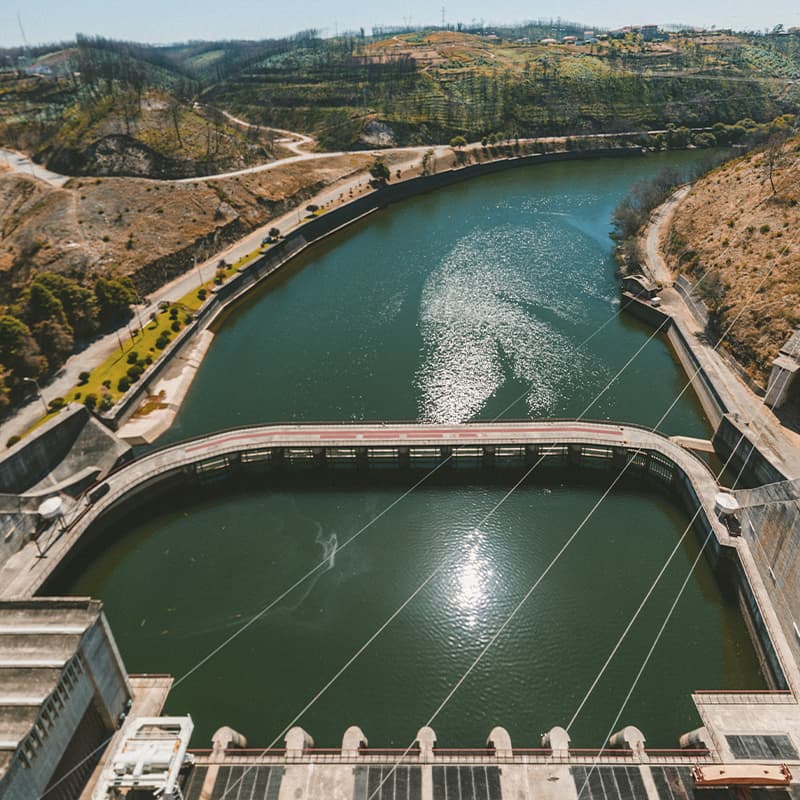
Illustrative implementation scenario. It does not describe a named customer or measured project results.
Imagine a water operator comparing the volume entering a sector with customer readings and billing records. The figures do not reconcile, but that discrepancy is not proof of a single leak. A proposed LoRaWAN metering project starts by organising the water balance, selecting appropriate meters and deciding which discrepancies the field and commercial teams will investigate.
Separate the water balance from the communications network
Non-revenue water includes real losses, apparent losses and unbilled authorised consumption. An audit helps distinguish those components before choosing an intervention. Transit-time ultrasonic meters infer flow from differences in acoustic travel time with and against the flow; LoRaWAN is the communications layer, not the measuring principle. An ultrasonic meter is not automatically a LoRaWAN meter. Check its exact communications module or supported interface and decoder, together with metrological approval, sizing and installation instructions for the application.
Build a pilot that can be reconciled
Choose a sector with identifiable boundaries and documented input and customer measurement points. Align timestamps, units, meter multipliers and reading periods so comparisons are meaningful. Verify the radio path at the actual installation, especially pits and metal covers, and review backhaul and missing-data handling. Preserve the meter identifier and installation record throughout the data path. Before relying on an exception report, confirm that the readings refer to the same period and that data gaps are not being presented as zero consumption.
Turn a discrepancy into a field or commercial task
Use agreed rules to flag patterns for review, such as continued consumption or differences requiring reconciliation. The responsible team determines whether to inspect a connection, validate a meter, review a bill or investigate a possible leak. Track the finding, action and subsequent readings. The intended benefit is a more traceable decision process; savings must be measured after intervention against a documented baseline. Neither a new ultrasonic meter nor a wireless dashboard alone establishes the cause or guarantees a reduction in NRW.
Before you start
- Can the sector input, customer readings and billing periods be reconciled?
- Are the meter variant, communications interface and installation appropriate?
- Who investigates exceptions and verifies the outcome after intervention?