Implementation scenario
Wireless cold-chain monitoring with LoRaWAN
An implementation scenario for connecting cold rooms, loading areas and temperature alerts without wiring every sensor to a data network.
Vista Tech ·
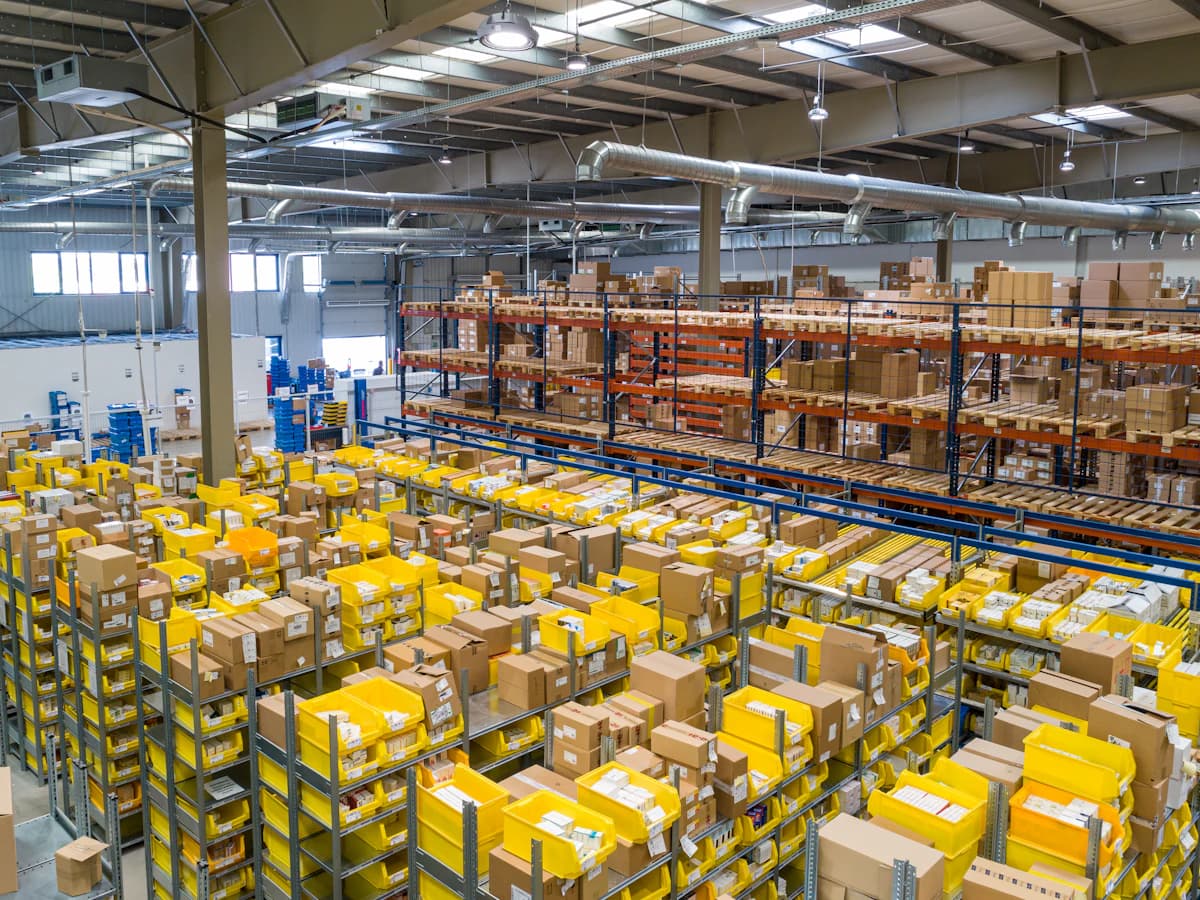
Illustrative implementation scenario. It does not describe a named customer or measured project results.
Imagine a food distribution site with cold rooms, a loading area and a supervisor who needs to review temperature events across shifts. The proposed solution combines suitable probes, LoRaWAN connectivity and an agreed response workflow. Its value is not simply another chart: it is a record that helps the team investigate when and where an event occurred.
The challenge: readings scattered across shifts
Begin with the products and process, not a universal temperature limit. List the storage zones, loading and unloading steps, operating temperatures and approved limits for each product. Select the required measurement range and accuracy, and decide whether an external probe is needed. A sensor intended for cold storage, such as the TEKTELIC TUNDRA family, is an option to evaluate against the exact application and current datasheet. Do not assume that every wireless sensor is suitable for condensation or low temperatures.
The implementation: prove the difficult locations first
Install a pilot around representative cold rooms and loading points. Test radio communication with doors closed and under normal operating conditions; metal panels and changing stock make a desktop estimate insufficient. Validate probe placement, reporting intervals, battery condition and the gateway backhaul. Ask explicitly whether the selected device stores readings locally and how recovery works after a communication outage. A moving vehicle also needs a defined connectivity strategy: coverage at the warehouse does not establish coverage along the route.
The intended benefit: an event with an owner
Configure agreed thresholds and recipients, including an out-of-hours escalation path. During a controlled test, verify that the event is recorded, the notification reaches the responsible person and the team documents its response. Measure alert delivery, data completeness and acknowledgement during the pilot; evaluate reductions in losses only against real baseline evidence. LoRaWAN can make sensor installation less dependent on network cabling, but refrigeration maintenance, calibration and the response procedure remain essential parts of the solution.
Before you start
- Which products, zones and approved temperature limits are in scope?
- Can the sensor communicate with closed doors and normal stock levels?
- Who will act after hours, and how will an outage be handled?